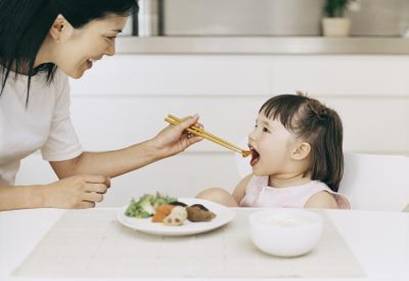
Japanese parents normally believe that children possess an innate goodness, showing high moral standards. According to study in 2004 conducted by University of California-Riverside, only the outside world gives isolation to children from their nature.
Parenting techniques for Japanese parents have something to do with historical approach that one should give full attention and protection for a plant that needs to be fostered, trained, and pruned in order for it to develop.
The techniques of nurturing parents in raising children normally based on perceptions of children’s reliance on the mother. Based from the article “Discipline in Early Childhood”, a detailed investigation of cultural differences of child upbringing practices published by Kansan association for Infant and Early Childhood Mental Health, parents from Japan traditionally viewed child rearing as taking responsibilities for them as conflict to teaching their children to be self-ruling and self-supporting.
American parents for example, they might give motivation to their children to dress up on by their selves or prepare the lunch by themselves and do their own things. On the other hand, Japanese parents manage those kinds of works even their child already reached adolescence.
Japanese mothers decide about their children’s education, hobbies and professional pathway their children will follow. According to scholars at Southern Utah University, this child rearing technique teach the children to respect and accept their parents’ rules and advice.
Pachucki