India’s Growing Urban Poverty Crisis
The final day of February marks the unfortunate statistics on the economy of India. For the final quarter of 2013, the economy of India increased by 4.7 percent, the fifth succeeding quarter of sub-5 percent improvement. Unlike the economic instability in Europe, the economy of India raised positively. However, 4.7 percent is far under the 8 percent increased rate that the government of India says it needs to eliminate the constant improvement challenges of the country. As India moves forward to a turning point of election in which politics will surely change hands, this alarming economic fulfillment throws a great influence.
Poverty levels are not exactly a dependable source of evaluating the lack of needs but rather they permit an extended progression to be discovered. Based on the recorded statistics by the World Bank and McKinsey, since the 1980s India has only raised 35 million people to survive the severe poverty level. The slow poverty-reduction in India is connected to a fast growth of unjust salary.
The industry of fabrication and machinery is a great advantage in the improvement of economy. However, the industry sector is still tied because of the weak electrification, lacking of skilled laborers and stubborn practices of recruitment and dismissal of employees.
Developing community resources, revising work regulations and increasing infrastructures are the three things that World Bank keeps on implementing, each of which is fundamental to India’s action plans to address about poverty, employment and restore industry.
By that time, India is observing the unusual circumstance of “reverse migration”: due to inadequate manufacturing labors, 12 million people are expected to go back to from cities to rural areas by 2019.
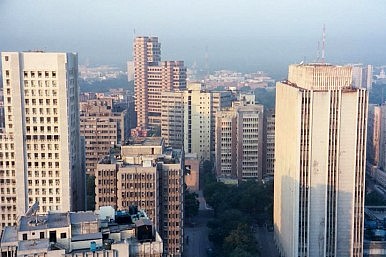
India is still has a rapid increase in population where millions of people are engage in workforce each year rather than going away from it. India is competitive with the aging populations of its opponents in other Asian countries in terms of economy like China and Japan. But the huge supply of India in their workforce is being wasted by a lack of employments, a falling manufacturing sectors and critical skill shortage. These are the challenges that impact the urban areas of India.
R. Mashru
India’s Growing Urban Poverty Crisis
Related Posts

Community Centers Need Better Rules for Borrowing Folding Tables
September 5, 2026
Community Centers Need Better Rules for Audio Equipment
September 2, 2026